
Textile Industry Challenges

Spacious textile machinery hallway in an Indian industrial plant showing advanced equipment.

Beyond Audits: Navigating the Just Transition in the Textile Industry- By Mr. Saqib Sohail

  The textile industry is currently weathering a storm of unprecedented change. From aggressive decarbonization targets to complex compliance mandates and a relentless push for efficiency, the sector is under a microscope. For the average textile or sustainability manager, the reality is one of extreme pressure. Often juggling seven or eight high-stakes topics at once with limited resources, these professionals find it nearly impossible to make a substantial impact. Organizations are forced to play a high-stakes game of prioritization: Where do we invest? Which topic takes precedence? How do we manage the pressure from brands, regulators, unions, and civil society? Amidst this noise, one concept is emerging as the North Star for the industry: The Just Transition. Equity Over Equality: The Heart of Just Transition A Just Transition means everyone is given the opportunity to move toward a sustainable future, but it is rooted in equity, not just equality. While equality implies giving everyone the same resources, equity recognizes that different actors start from different positions. In textiles, this means providing the “lowest common denominator”—often small-to-medium enterprises (SMEs) or deep-tier suppliers—with the maximum resources so they can catch up with the most advanced factories. This journey is not a race against competitors; it is a race against oneself. Every organization has a different pathway and is at a different stage of its decarbonization strategy. To move forward, we must meet organizations where they are, understanding their specific gaps and resource constraints. The Data Gap and the “Forgotten” Tiers It is easy to call for resource sharing, but execution is difficult. The first hurdle is baseline data. Many SMEs lack the exposure or expertise to even set a baseline. Without this data, the industry cannot accurately identify which stakeholders in the supply chain need the most help. Currently, most sustainability efforts stop at Tier 1 or Tier 2. However, the true impact lies further down the chain. Tier 3, 4, and 5—all the way to the ginners, fiber producers, and raw material providers—are often left behind. The Reality of Impact: The textile industry is responsible for approximately 8% to 10% of global carbon emissions. If we do not provide solutions for the upstream suppliers (Tiers 3-5), we will never hit the climate targets required to mitigate environmental collapse. Addressing the “White Elephant”: The Trust Deficit The biggest obstacle to progress is the one few people want to talk about: a fundamental lack of trust. This lack of trust is the reason the industry is plagued by “audit fatigue.” We spend more time validating data and hunting for failures than we do implementing solutions. When we focus solely on finding problems in the data, we stall the impact we claim to seek. To solve this, we must shift toward open dialogue and a belief in “positive intent.” We need a culture where advice is shared freely and information is viewed as a tool for growth rather than a weapon for penalization. Bridging the North-South Divide There is a growing friction between the Global North and the Global South. Regulations are often drafted in the North without consulting the suppliers in the South who must implement them. These mandates—traceability, tracking numbers, and complex documentation—frequently become a heavy administrative and financial burden on the Global South. To move forward, we need: Knowledge Transfer: Brands often share the same suppliers. Instead of bombarding one factory with different versions of the same request, brands should collectively summarize and package their knowledge. Concrete Financing: Regulations must come with guardrails and funding. We cannot expect grassroots change without providing the capital to implement factory-level solutions. Grassroots Implementation: By solving issues at the source, we ensure that embedded water and carbon emissions are mitigated before they ever reach the consumer. The Vital Role of Academia and Science Collective action cannot happen in isolation. If we work in silos, we lose as a region and as a sector. This is where Academia and Science step in. As neutral, non-profit actors, academic institutions can act as the bridge. Their role should evolve beyond publishing journals to: Commercializing Technology: Bringing sustainable innovations to the factory floor. Facilitating Knowledge: Acting as a trustworthy intermediary for data and best practices. Building Sustainable Supply Chains: Using research to protect biodiversity and reduce environmental footprints. The Path Forward The world does not have the luxury of waiting for everyone to catch up at their own pace. We need to accelerate change through collective, trusted action. When the whole supply chain works hand-in-hand to support those who have been left behind, a “Net Zero” future becomes more than just a goal—it becomes a reality. What is the single biggest barrier you face in implementing sustainability at the factory level?  
Beyond Audits: Navigating the Just Transition in the Textile Industry- By Mr. Saqib Sohail Read More »

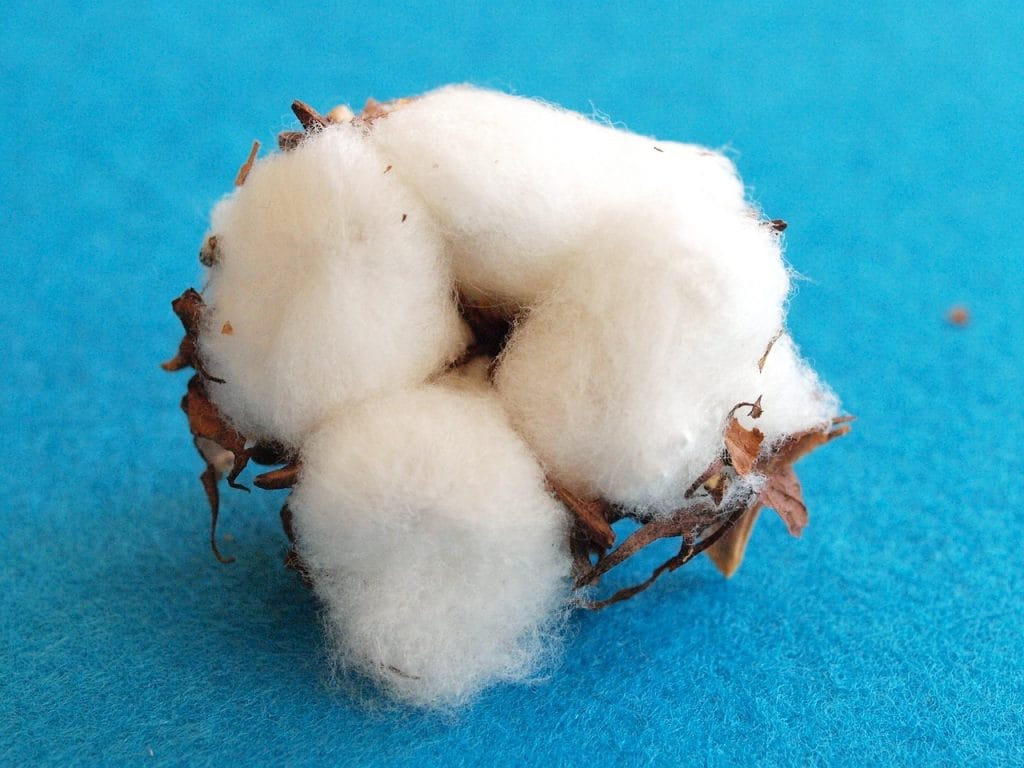
cotton, cotton blossom, wool, white flower, cotton, cotton, cotton, cotton, cotton

From Bale IDs to Blockchain: Revolutionizing Traceability in Pakistan’s Cotton Sector – By Dr. Muzzamal Hussain

Pakistan’s cotton sector, which drives about 60% of the nation’s exports and sustains over 10 million livelihoods, is navigating intense global pressure for ethical and transparent sourcing. As the world’s fifth-largest cotton producer, it confronts persistent challenges like child and forced labor. The ILO-UNICEF 2024 Global Estimates report nearly 138 million children in child labour worldwide, with around 61% in agriculture, while the U.S. Department of Labor’s (DOL) 2024 Trafficking Victims Protection Reauthorization Act (TVPRA) list specifically flags cotton from Pakistan for both child labor and forced labor. Local and Global Perspectives on Child Labor However, local perspectives in Pakistan often paint a nuanced picture of child labor in cotton farming, differing from global narratives. Farmers, authorities, and community leaders frequently view children’s involvement as a family tradition rather than exploitation. In rural areas, where poverty, large family sizes, and limited access to education prevail, children assist parents on family farms during seasonal harvests, learning essential skills and contributing to household survival. Reports from organizations like the National Rural Support Programme (NRSP) and ILO emphasize cultural acceptance, where child work is seen as non-hazardous family help, not formal labor, especially in Punjab and Sindh. Authorities, including Punjab’s Labour Department, argue that while hazardous forms are addressed, seasonal family involvement stems from economic necessities and migration, not systemic abuse, per baseline studies and policy briefs. International organizations, however, while acknowledging these socio-economic and cultural contexts, stress that much of this family-based work qualifies as child labor if it is hazardous, interferes with education, or exploits children, as per ILO conventions. The USDOL similarly recognizes family dynamics but classifies tasks in Pakistan’s cotton sector as dangerous, advocating for eradication through enforcement and support programs to prevent long-term harm to children’s health and development. As these practices create an atmosphere that make the children an economic asset, which subsequently deprive him from education and in the long run. This viewpoint underscores the need for context-sensitive interventions that support families without stigmatizing cultural practices. The Role of Traceability in Bridging Perspectives These contrasting views on child labor highlight the critical role of traceability in bridging local perceptions with global standards, ensuring verifiable evidence of ethical practices from farm to fabric. Traceability is emphasized because it provides transparency into supply chains, helping to identify and mitigate risks like exploitation, while enabling brands to comply with ethical sourcing demands and consumers to make informed choices. This push has intensified due to high-profile scandals, regulatory pressures, and sustainability imperatives, with countries like the EU (through its Corporate Sustainability Due Diligence Directive) and the US (via the Uyghur Forced Labor Prevention Act) mandating proof against human rights abuses in imports. Brands such as H&M, Adidas, and those in the Better Cotton Initiative face reputational risks from reports like Transparentem’s 2025 analysis on cotton due diligence, amplifying calls for end-to-end tracking to build trust and premium value. Rising Consumer Demand and Sustainability Goals Consumer demand for ethical products has surged, with brands facing reputational risks from scandals involving forced labor. Sustainability goals, like those in the 2025 Sustainable Cotton Challenge, push for transparency amid climate volatility, trade disruptions, and geopolitical tensions affecting supply. Reports from OECD-FAO and World Economic Forum emphasize traceability’s role in building consumer confidence, reducing contamination, and enabling premium pricing for verified sustainable cotton, driving the need for end-to-end visibility. Digital Innovations in Pakistan’s Cotton Sector In response, digital innovations are gaining traction in Pakistan as well, though their implementation remains uneven, as detailed in the Sustainable Development Policy Institute’s (SDPI) value chain analyses from 2017 to 2025, which highlights how informal practices dominate small farms and undermine adaptation efforts. Key Traceability Initiatives To address these, several key traceability initiatives and tools are being deployed. Initiatives include the Better Cotton Initiative (BCI), which focuses on sustainable farming standards and labor rights through community engagement. They not only address social issues but also encompass a broader spectrum: environmental sustainability, quality assurance, fraud prevention, and economic resilience. REEL Cotton by CottonConnect emphasizes a Code of Conduct for sustainable agriculture practices and provides farmer training programme on regenerative farming, environmental impact reduction, and livelihood enhancement. The DOL-funded Global Trace Protocol (GTP) for 2023-2025 pilots cotton supply chains mapping in Pakistan with due diligence frameworks (child and forced labor) and developed an open-source digital traceability tool. WWF’s organic cotton initiatives promote sustainable farming practices, while the ILO’s RISE for Impact Phase II (2024-2026) advances fundamental principles and rights at work through community models and policy advocacy. In addition, several textile industries have started their own programs, such as Artistic Milliners, Interloop, and Masood Textile Mills etc. This new practice by manufacturing industries is gaining more and more attention. Traceability Mechanisms Distinct from these initiatives, traceability mechanisms such as bale IDs, QR codes, and blockchain provide technical tracking. Interlinking Physical, Digital, and Social Traceability: Physical traceability (e.g., tracers or bale IDs) provides tamper-proof, proof of material origin, acting as the “hardware” foundation. Digital traceability (blockchain, QR codes) overlays this with software layers, recording transactions and data flows immutably. Social traceability integrates labor compliance, verifying conditions like child labor absence or decent work via audits linked to these systems. The mechanism works through a hybrid model: Physical markers ensure material integrity (e.g., preventing mixing of certified/uncertified cotton). Digital platforms log this data, creating a chain of custody. Social data from audits (e.g., worker interviews) is uploaded, allowing stakeholders to query holistic compliance. For instance, a QR scan on a bale could reveal not just the farm origin (physical/digital) but also audit results on child labor (social). An example is the Social & Labor Convergence Program (SLCP), which uses a Converged Assessment Framework for standardized social audits in manufacturing facilities. While primarily designed for downstream apparel and footwear supply chains, SLCP could potentially be adapted for upstream segments (farms/gins) by training auditors on agriculture-specific risks, integrating with physical tracers (e.g., linking SLCP scores to bale IDs), and using digital platforms for data sharing. In Pakistan, this could align with ILO’s RISE for

From Bale IDs to Blockchain: Revolutionizing Traceability in Pakistan’s Cotton Sector – By Dr. Muzzamal Hussain Read More »

A textile factory in India showcasing modern spinning machinery with a worker.

Labor Exploitation in Textile Supply Chains: A Global Ethical Challenge

The textile industry’s global supply chains are marred by labor exploitation, with millions of workers facing poor conditions, low wages, and unsafe workplaces. In countries like Bangladesh and India, garment workers earn as little as $2–$3 daily, far below living wages. The 2013 Rana Plaza collapse, killing over 1,100 workers, exposed systemic issues, yet exploitation persists. Complex supply chains obscure accountability. Brands outsource to subcontractors, distancing themselves from violations. Fast fashion’s demand for quick, cheap production pressures factories to cut corners, leading to excessive overtime and child labor. Women, who comprise 80% of the workforce, face additional risks like harassment and discrimination. Enforcing ethical standards is challenging. Audits often fail to detect violations due to falsified records or lack of transparency. Workers fear retaliation for reporting abuses, and unions are suppressed in many regions. Consumers demand ethical fashion, but willingness to pay more is limited, squeezing margins for fair-wage factories. Progress requires stronger regulations, like the EU’s due diligence laws, and brand accountability for subcontractors. Empowering workers through unions and ensuring living wages are critical steps. Consumers can support ethical brands, but systemic change hinges on global cooperation to prioritize human rights over profit in textile production.

Labor Exploitation in Textile Supply Chains: A Global Ethical Challenge Read More »